Plant Problem Diagnosis Key / Growing conditions
Growing conditions
Cold and frost injury
Frost freezes tissue outright. Chilling below about 50 °F (10 °C) injures tropical and warm-season crops such as tomato and pepper even without frost.
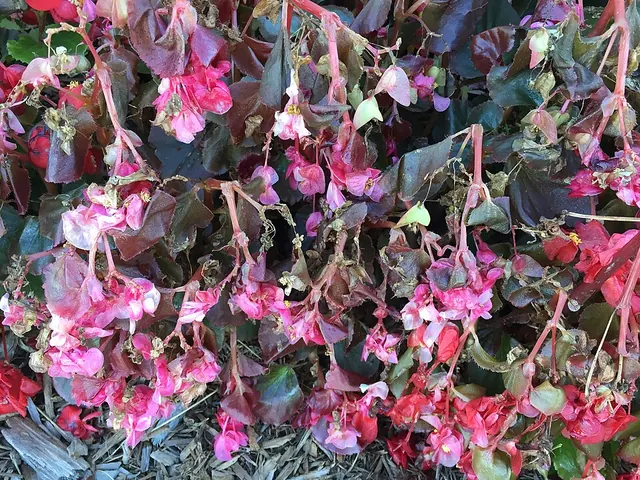
Signs
- Leaves glassy or water-soaked, then black or brown, on the most exposed parts.
- Purpling of leaves after cold nights.
What favors it
Frost, cold nights below the crop's range, and unhardened transplants.
Prevention
- Plant warm-season crops after the last frost date, when soil is above about 60 °F (16 °C).
- Harden off transplants for a week to ten days.
- Cover plants on frost nights with sheets or row cover that reach the ground.
Often confused with
Sources
- Frost and Cold Damage on FlowersUniversity of Maryland Extension
- Cold protection options for growing fruit and vegetables throughout the winterUniversity of Georgia Extension
- Frost CrackMontana State University Extension
- Extreme temperature effects on tomato and pepper cropsOntario Ministry of Agriculture
- When Should I Plant My Warm-Season Vegetables?South Dakota State University Extension
Treatment by crop
Cultural, biological and chemical options in the order to use them, and notes written for each crop.
Identification is free. Treatment is on the Home and Pro plans.
Questions in the key that lead here
- Look the plant over, leaf undersides included. Are insects, mites, slugs, eggs, webbing or droppings on it?
No, only damage or discoloration - Where is the problem?
The whole plant or whole stems - How is the soil or media?
Moist or wet - Lift the plant or pull back the media at the stem. What do the roots look like?
White or cream, firm - Which plant is wilting?
Another plant - Slice the lower stem lengthwise. Is the tissue just under the skin streaked brown?
No, it looks clean - What else is going on?
Leaves blackened or glassy after a cold night
Not a match? Start the key or describe what you see.
More photos
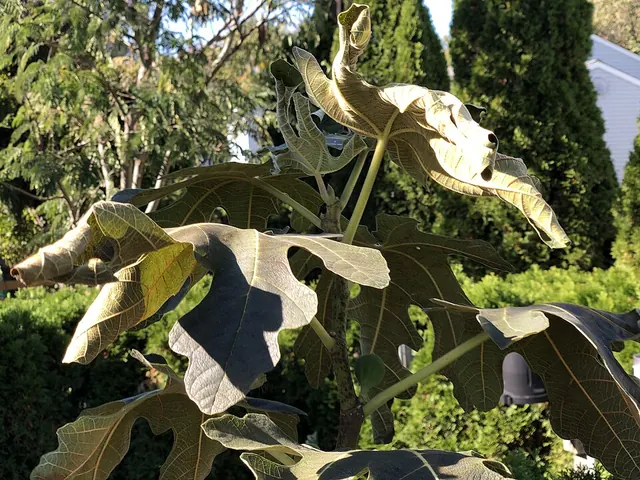
More from university Extension: search Extension pages on cold and frost injury, or find a plant diagnostic lab through your state's Extension.
Other growing conditions
- Blossom drop
- Blossom-end rot
- Construction and root damage
- Drought stress (underwatering)
- Edema (oedema)
- Fruit cracking
- Girdling roots and a buried root flare
- Heat and light stress
- Herbicide injury
- Leaf scorch and drought stress
- Light bleaching
- Mower, trimmer and animal injury
- Normal fall needle drop
- Not enough light (stretching)
- Overwatering (low root oxygen)
- Road salt injury
- Southwest injury (winter sunscald and frost cracks)
- Sunscald
- Transplant shock
- Winter burn of evergreens