Plant Problem Diagnosis Key / Growing conditions
Growing conditions
Transplant shock
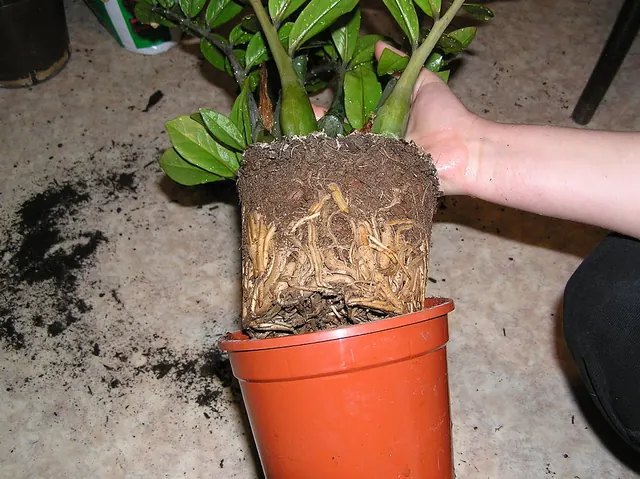
Moving a plant tears fine roots, and a smaller root system cannot keep up with the leaves for a week or two, especially in sun and wind it is not used to.
Signs
- Wilting or leaf scorch in the first days after planting out or repotting.
- White or bleached patches on seedlings that were not hardened off.
- Slow restart, then normal new growth.
What favors it
Root disturbance, unhardened transplants, hot or windy days at planting, and dry soil.
Prevention
- Harden off seedlings over one to two weeks.
- Transplant on a cloudy, calm day; water in well.
- Handle root balls gently; avoid root-bound transplants.
Often confused with
Growing conditionsDrought stress (underwatering)
Growing conditionsCold and frost injury
Growing conditionsLight bleaching
Sources
- Transplant ShockMontana State University Extension
- Planting Vegetable TransplantsUniversity of Maryland Extension
- Hardening Off Vegetable Seedlings for the Home GardenUniversity of Maryland Extension
- Starting seeds indoors (hardening off)University of Minnesota Extension
- Sunscald on Vegetable LeavesUniversity of Maryland Extension
Treatment by crop
Cultural, biological and chemical options in the order to use them, and notes written for each crop.
Identification is free. Treatment is on the Home and Pro plans.
Questions in the key that lead here
- Look the plant over, leaf undersides included. Are insects, mites, slugs, eggs, webbing or droppings on it?
No, only damage or discoloration - Where is the problem?
The whole plant or whole stems - How is the soil or media?
Moist or wet - Lift the plant or pull back the media at the stem. What do the roots look like?
White or cream, firm - Which plant is wilting?
Another plant - Slice the lower stem lengthwise. Is the tissue just under the skin streaked brown?
No, it looks clean - What else is going on?
Planted out or repotted in the last two weeks
Not a match? Start the key or describe what you see.
More from university Extension: search Extension pages on transplant shock, or find a plant diagnostic lab through your state's Extension.
Other growing conditions
- Blossom drop
- Blossom-end rot
- Cold and frost injury
- Construction and root damage
- Drought stress (underwatering)
- Edema (oedema)
- Fruit cracking
- Girdling roots and a buried root flare
- Heat and light stress
- Herbicide injury
- Leaf scorch and drought stress
- Light bleaching
- Mower, trimmer and animal injury
- Normal fall needle drop
- Not enough light (stretching)
- Overwatering (low root oxygen)
- Road salt injury
- Southwest injury (winter sunscald and frost cracks)
- Sunscald
- Winter burn of evergreens